
How to Choose an Espresso Machine for Home
The best home espresso machine is the one that fits your mornings. Compare machine types, grinders, boilers and milk frothing before you buy.
Quick answer
- Choose the type by how hands-on you want to be: manual lever (most work), semi-automatic (a balance), super-automatic (push-button) or capsule (least work).
- A semi-automatic machine needs a good burr grinder, either built in or separate. The grinder has a big effect on how the shot tastes.
- If you drink lattes or cappuccinos, check the boiler type and steam wand so steaming milk fits your routine.
- Confirm the portafilter size before you buy tampers, baskets or other accessories.
A home espresso machine can make every morning better, or it can end up as a very large paperweight. The difference usually comes down to fit: how much time you want to spend, what drinks you make, and how much cleanup you will really do on a busy weekday.
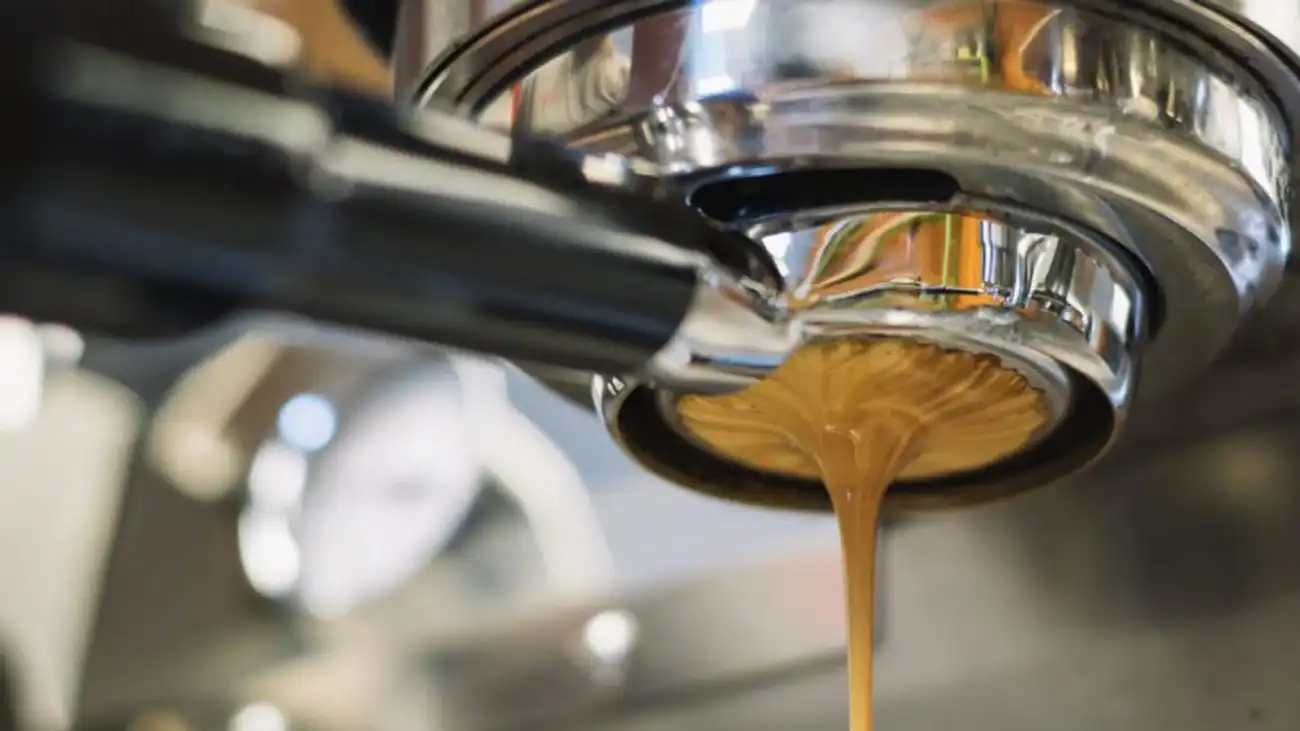
First, a quick definition. Espresso is made by forcing hot water, roughly 195 to 205°F, through a tightly packed bed of finely ground coffee at about 9 bar of pressure. Machines differ in how many of those steps (grinding, dosing, tamping, heating water and building pressure) you handle yourself.
Start with how hands-on you want to be
Manual (lever) machines
With a lever machine, you make the pressure. Some use a spring that drives a piston after you pull the lever. Others rely on your arm the whole way. You grind, dose and tamp by hand and control how the shot flows. Lever machines reward practice and curiosity. They are a poor fit if you want the same result every morning without thinking about it.
Semi-automatic machines
Home baristas who like to be involved often choose this style. An electric pump supplies the pressure and the machine heats the water, but you still grind, dose, tamp, lock in the portafilter and start and stop the shot. Expect to spend some time “dialing in,” which means adjusting grind size and dose until the shot tastes right. Machines sold as “automatic” work the same way but stop the shot for you at a preset volume.
Super-automatic (bean-to-cup) machines
Pour beans into the hopper, fill the water tank and press a button. A super-automatic grinds, doses, tamps and brews, then drops the used coffee into an internal bin. Many can also froth milk on their own. The trade-off is less control over the details that shape flavor, plus some routine internal cleaning, such as rinsing the brew unit and the milk system on the schedule in the manual.
Capsule machines
Capsule machines brew from sealed, pre-measured pods. There is no grinding or tamping and very little mess: drop in a capsule, press a button and empty the used-capsule bin now and then. You are limited to capsules made for that system, and you give up control over grind and dose. If you want a quick, consistent cup with almost no effort, that trade can be worth it.
The four types at a glance
| Type | What you do | What the machine does | Learning curve | Daily upkeep |
|---|---|---|---|---|
| Manual lever | Grind, dose, tamp, pull the lever | Heats the water | Steep | Knock out the puck, rinse, wipe |
| Semi-automatic | Grind, dose, tamp, start and stop the shot, steam milk | Heats water, supplies pump pressure | Moderate | Knock out the puck, rinse, purge and wipe the steam wand |
| Super-automatic | Add beans and water, pick a drink | Grinds, doses, tamps, brews, often froths milk | Low | Empty the grounds bin and drip tray, clean the milk parts |
| Capsule | Insert a capsule, press a button | Nearly everything else | Very low | Empty the capsule bin and drip tray |
Built-in grinder or separate grinder?
Espresso needs a fine, very even grind. That is why a burr grinder, which crushes beans between two burrs to a consistent size, is the standard choice. A blade grinder chops beans into a mix of dust and chunks. The fine bits over-extract and taste bitter, while the big pieces under-extract and taste sour, both in the same cup.
A machine with a built-in grinder saves counter space and keeps things simple: one plug, one purchase. A separate grinder takes more room, but it lets you upgrade the grinder or the machine on its own later.
Want to use pre-ground coffee? Pressurized (dual-wall) baskets are the forgiving option. A second wall with a small exit hole builds back-pressure, which helps make up for an imperfect grind or uneven tamping. Non-pressurized (single-wall) baskets give you more control and more room to improve flavor, but they work best with freshly ground coffee from a capable burr grinder. Some machines come with both, so you can start with the forgiving basket and switch as your skills grow.
Milk drinks: steam wands and frothers
If you mostly drink straight espresso or Americanos, milk features barely matter. If lattes, cappuccinos and flat whites are your thing, they matter a lot.
- Traditional steam wand: a metal tube you control yourself. It takes practice, but it gives the most control over milk texture, including the silky microfoam used for latte art.
- Frothing-aid wand (often called a panarello): a sleeve over the wand that pulls in air for you. It is easier for beginners but offers less control over texture.
- Automatic milk system: common on super-automatics. The machine draws milk from a container, froths it and pours it into your cup. It is very easy, but the milk parts need regular cleaning.
Whichever you choose, build one habit. Right after steaming, purge the wand for a second and wipe it with a damp cloth. Milk dries onto hot metal fast and is much harder to remove later.
Boiler types, explained simply
The heating system decides whether you can brew and steam back to back, and how steady the brewing temperature stays.
- Thermoblock or thermocoil: water is heated on demand as it flows through a hot metal block or coil. These warm up fast and fit small kitchens, but the temperature can be less steady than in a boiler machine, and you wait for it to change between brewing and steaming.
- Single boiler: one boiler does both jobs. After a shot, you wait for it to heat up to steam temperature. Before the next shot, you wait for it to cool down again. That is fine for one or two drinks at a time.
- Heat exchanger (HX): one large boiler held at steam temperature, with a tube running through it that heats the brewing water on its way to the coffee. You can brew and steam at the same time. Many owners run a short cooling flush before a shot so the brew water is not too hot.
- Dual boiler: separate boilers for brewing and steaming, each at its own temperature. You can brew and steam at once with steady temperatures, but these machines tend to be larger. Many use a PID, a digital controller that holds the brew temperature more precisely.
A simple rule: if you make one milk drink at a time, a thermoblock or single boiler is workable. If you often make several milk drinks in a row, a heat exchanger or dual boiler cuts the waiting.
Portafilter size and other details to check
- Portafilter size. The portafilter is the handle with the basket that holds the coffee. 58 mm is the traditional commercial size and appears on many Italian-style home machines, while many other home machines use 54 mm or 51 mm. Baskets and tampers are sized to fit, and a matching tamper may be listed slightly smaller than the portafilter, so check your manual or the accessory’s fit list first.
- Pump numbers on the box. A “15-bar” or “20-bar” label describes the pump’s maximum. Espresso is typically brewed around 9 bar, so a bigger number alone does not mean better coffee.
- Warm-up time. Thermoblock machines are ready quickly. Boiler machines, especially those with heavy brass group heads, can need a much longer warm-up, so check the warm-up time in the manual.
- Water and scale. Hard water leaves scale inside the machine. Use the filter or type of water the manual recommends, and descale on the maker’s schedule.
- Size and clearance. Measure the space under your upper cabinets, and leave room to open a top-loading water tank or bean hopper. Check cup clearance if you like tall mugs.
Matching a machine to your mornings
- “I want coffee in two minutes with no learning curve.” A capsule machine or a super-automatic.
- “I want easy lattes for the whole household.” A super-automatic with an automatic milk system. If you are willing to learn, a semi-automatic with a heat exchanger or dual boiler also works well.
- “I enjoy the craft and want to get better.” A semi-automatic with a separate burr grinder and non-pressurized baskets, or a lever machine if you like full control.
- “Mostly straight espresso in a small kitchen.” A compact semi-automatic with a thermoblock or single boiler, paired with a good burr grinder.
Once you know your type, browse our espresso machines, or look through the wider coffee, espresso and tea collection for grinders and brewing gear. Other countertop helpers live in kitchen appliances and electrics.
Orders to the contiguous US (the lower 48 states and Washington, DC) ship free, and our shipping page explains processing and delivery estimates. Before you run water through a new machine, set it where it will live and check that it fits. Unused items in their original packaging can be returned within 30 days, as explained on our Returns page.
Frequently asked questions
Can a drip coffee maker or moka pot make true espresso?
How often should I descale my espresso machine?
Do I need a separate milk frother?
What does "dialing in" mean?
 Kitchen & CoffeeHoliday Gift Guide for Home Cooks and Coffee LoversNot sure what to give the cook or coffee fan on your list? Start with how they cook, then pick a gift…
 Kitchen & CoffeeReal vs. Artificial Christmas Tree: How to Choose and CareFresh Fraser or balsam fir, or an artificial tree you reuse for years? How to compare them, measure your space, and set…
 Kitchen & CoffeeHoliday Baking Essentials: The Bakeware You Actually NeedWhat stainless, aluminized steel, stoneware, enameled cast iron and silicone each do best, the bakeware pieces worth owning for the holidays, and…