
How to Pack for a Ski or Snowboard Trip: Bags and Checklist
What to check, what to carry on, and which bags make bulky winter gear easier to haul, plus a full checklist for your next ski or snowboard trip.
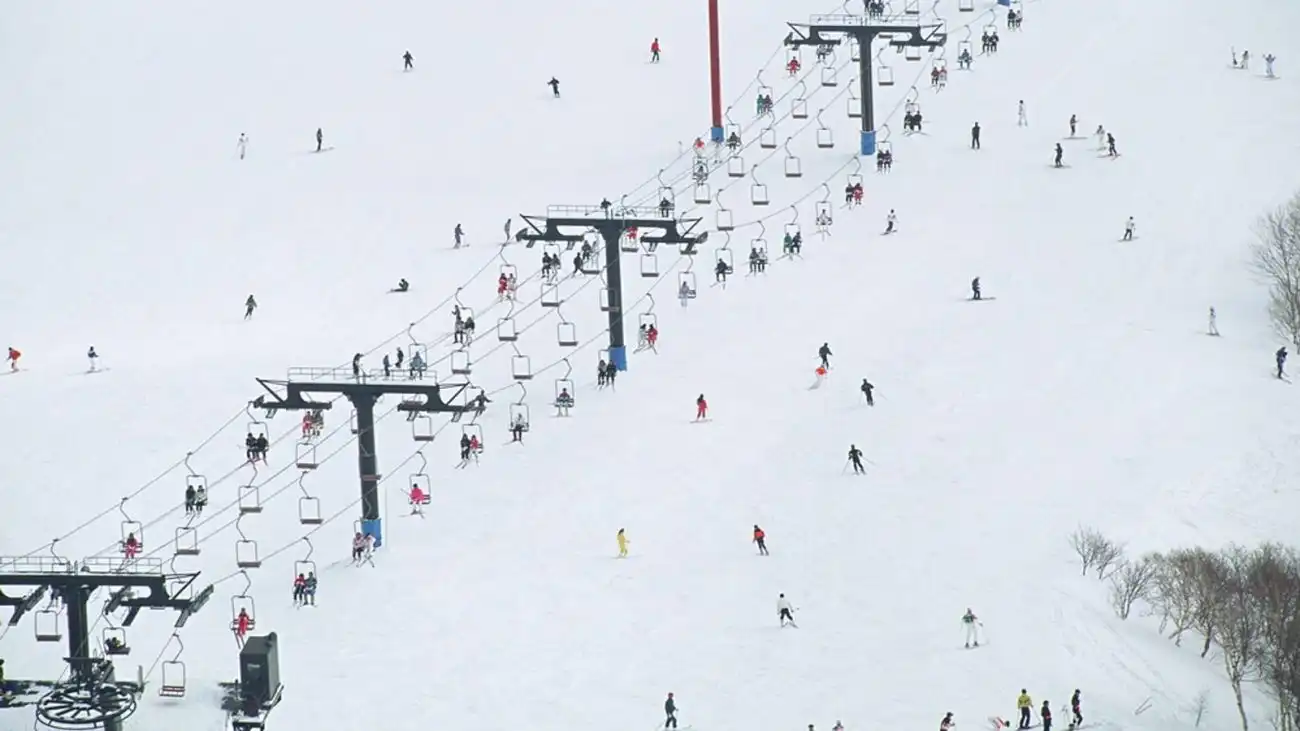
- Carry on what’s hard to replace: boots, goggles and your day-one layers, so a late bag doesn’t cost you a ski day.
- Check the long gear: skis, boards and poles go in checked baggage. Fees, weight limits and packing rules vary, so read your airline’s sports-equipment policy first.
- Pack bulky layers in a big duffel: wheels make airports easier; a plain duffel is lighter and squeezes into tight trunks.
- Spare batteries and power banks go in your carry-on, never in checked bags.
A ski or snowboard trip takes more gear than almost any other vacation. You have long, awkward equipment, heavy boots and puffy layers, and it all has to survive airports, shuttles and a rental-car trunk. This guide covers what to bring, what to check, what to carry on, and which bags make the whole thing easier. A full packing checklist is near the end.
First decision: bring your own skis or board, or rent?
The biggest packing choice happens before you open a bag. Flying with your own skis or snowboard means riding gear you know and trust. It also means an extra checked item, a possible airline fee, and one more thing to drag from the curb to the shuttle.
Many travelers split the difference. They rent skis or a board at the resort but bring their own boots, helmet and goggles. For many skiers and riders, boots are the most personal piece of gear, because fit affects both comfort and control, so they would rather travel with their own than hope a rental fits.
If you’re buying new skis for the trip, plan ahead. Ski bindings should be mounted, adjusted to your boots and set to the right release value by a certified ski technician. Skis sold with bindings still need that adjustment, which is based on your boot sole length and your weight, height, age and ability. It’s not a do-it-yourself job, so leave time for a shop visit before you fly. You can browse skis, bindings, helmets and goggles in our skiing gear, and boards and accessories in snowboarding gear. Orders are processed in 1–2 business days (Monday to Friday), and delivery usually takes 2–3 business days after shipping. Those are estimates, so see our shipping policy and build in extra time before your departure date.
Flying with skis or a snowboard: what airlines usually expect
Skis, snowboards and ski poles travel as checked baggage. The TSA does not allow ski poles in carry-on bags, and skis and boards are far too long for the cabin anyway. A padded ski or board bag helps protect edges and bindings on the trip through baggage handling.
Many airlines count a ski or board bag plus one boot bag as a single checked item, up to a weight limit. American Airlines, for example, counts a pair of skis or a snowboard plus one equipment bag as one checked item, but charges them as two items if they weigh more than 50 pounds combined. Delta charges an excess-weight fee when a ski or snowboard bag and a boot bag together weigh more than 50 pounds. Airlines also differ on size limits, fees and what you may pack inside these bags, and policies change. Check your airline’s sports-equipment page before you pack, not at the check-in counter.
A few habits save trouble:
- Weigh your bags at home. Skis, bindings, poles and boots add up fast.
- Pad with soft layers only if your airline allows it. Some airlines limit ski and boot bags to ski gear. Either way, keep your warmest jacket with you in case a bag is delayed.
- Label every bag inside and out with your name and phone number.
- Take photos of your gear before you check it. They help if you ever need to file a damage claim.
What goes in your carry-on
Pack your carry-on as if your checked bag might arrive a day late. If it does, you can still rent skis and get on the hill. Here’s what usually belongs with you:
- Boots. Ski boots are awkward to walk in through an airport, so many people carry them in a boot bag or a carry-on big enough to hold them. Softer snowboard boots are easier to wear on the plane. Either way, stay within your airline’s carry-on size and count limits.
- Goggles, in their soft bag or a hard case so the lens doesn’t get scratched or crushed.
- Helmet, if you have room. The TSA allows helmets in both carry-on and checked bags. Carrying it keeps it from being squashed under heavier luggage, and you can stuff gloves and socks inside to save space.
- One set of base layers, ski socks, gloves and a mid layer.
- Medications, ID, and your lift pass or lodging details.
- Spare batteries and power banks. FAA rules say spare lithium batteries and power banks must travel in carry-on bags only. If your carry-on gets checked at the gate, take them out and keep them with you in the cabin.
- Sunscreen and lip balm. Small sizes that meet the TSA liquids rule can ride in your carry-on; bigger bottles go in checked bags.
A small snow pack works well as your personal item on the plane, if it fits your airline’s size limit, and then as your day pack on the mountain for water, snacks and a spare layer. You’ll find everyday packs in day bags and packs.
Duffels for bulky winter layers: wheels or no wheels?
Winter clothes are puffy. A shell jacket, snow pants, a fleece and a pair of après boots fill a regular suitcase fast, which is why many skiers pack their layers in a big duffel. The main choice is whether you want wheels.
| What matters | Wheeled duffel | Duffel without wheels |
|---|---|---|
| Getting through the airport | Rolls behind you; easiest on long walks | Carried by hand, on a shoulder strap, or on backpack straps on many models |
| Empty weight | Heavier, because of the wheels and frame | Lighter, leaving more of your weight limit for gear |
| Fitting into trunks and shuttles | Stiff base; less squishable | Squeezes into odd spaces and folds small when empty |
| Best for | Airport-heavy trips and less lifting | Road trips, tight trunks and keeping weight down |
Size matters too. A very large duffel can swallow a week of layers, but it’s also easy to overfill one past your airline’s weight limit. Put heavy items near the wheels or the bottom of the bag so it rolls and carries without tipping, and roll soft layers to fill the gaps.
Brands such as Osprey, Eagle Creek, The North Face and Big Agnes make wheeled duffels, while Patagonia, Mammut and Black Diamond offer duffels you carry. Compare sizes and styles in our luggage and travel gear collections.
Ski and snowboard trip packing checklist
For the mountain
- Skis or snowboard (or a rental reservation), plus poles for skiers
- Boots
- Helmet
- Goggles, plus a low-light lens if your goggles take interchangeable lenses
- Gloves or mittens, and liners if you run cold
- Neck gaiter or balaclava
- Day pack, water bottle and snacks
Clothing
- Waterproof jacket and snow pants
- Base layers, top and bottom
- Mid layers, such as a fleece or light insulated jacket
- Ski or snowboard socks, ideally a fresh pair for each day
- Warm hat for off the slopes
- Winter boots with good traction for icy sidewalks
- Casual clothes for evenings
Travel and small items
- ID, lift pass and lodging or rental confirmations
- Phone charger and power bank (carry-on only)
- Sunscreen and lip balm with SPF
- Medications
- Bag tags and a luggage scale, if you have one
Driving to the mountains instead?
A road trip removes airline weight limits, but it adds winter driving. Mountain roads can be snowy and icy, and some states have traction or chain laws for mountain highways in winter (Colorado’s I-70 mountain corridor is one example). Check the state DOT’s road conditions and rules before you leave. If your car will see real winter weather, our guide on how to choose the right winter tire explains what to look for, and your owner’s manual or a certified tire shop can confirm the right size and setup for your vehicle.
For the gear itself, a long rooftop cargo box keeps skis and boards out of the cabin and away from road spray. Before you load up, check your vehicle’s roof load limit in the owner’s manual, and remember that the rack and the empty box count toward that limit. You can browse options in cargo boxes, baskets and bags.
Whichever way you travel, the formula is the same: keep what you can’t ski without close to you, check what’s long and heavy, and give yourself extra time. A little planning at home means more time on the snow.
Frequently asked questions
Can I bring my ski boots on the plane as a carry-on?
Do a ski bag and a boot bag count as two checked bags?
Can ski poles go in my carry-on?
Can I put my power bank in my ski bag?
 Outdoor & SnowSki and Snowboard Gear Checklist for the New SeasonA pre-season checklist for skiers and snowboarders: tune-ups, binding checks, helmet and goggle advice, layering, and what beginners should rent before buying.
 Outdoor & SnowWinter Camping Checklist: Sleep System, Stove and LayersWinter camping comes down to a warm sleep system, a stove that works below freezing and smart layers. Here is how each…
 Outdoor & SnowRoof Box vs. Hitch Rack: How to Carry Bikes, Skis and CargoRoof boxes, hitch racks, cargo carriers and truck-bed racks each trade off fuel use, rear access, clearance and load limits. Here's how…